News

Sachs Scholars Participate in University of Bristol Arts, Activism and Social Justice Summer School 836 627 Sachs Foundation

Sachs Scholars Participate in University of Bristol Arts, Activism and Social Justice Summer School

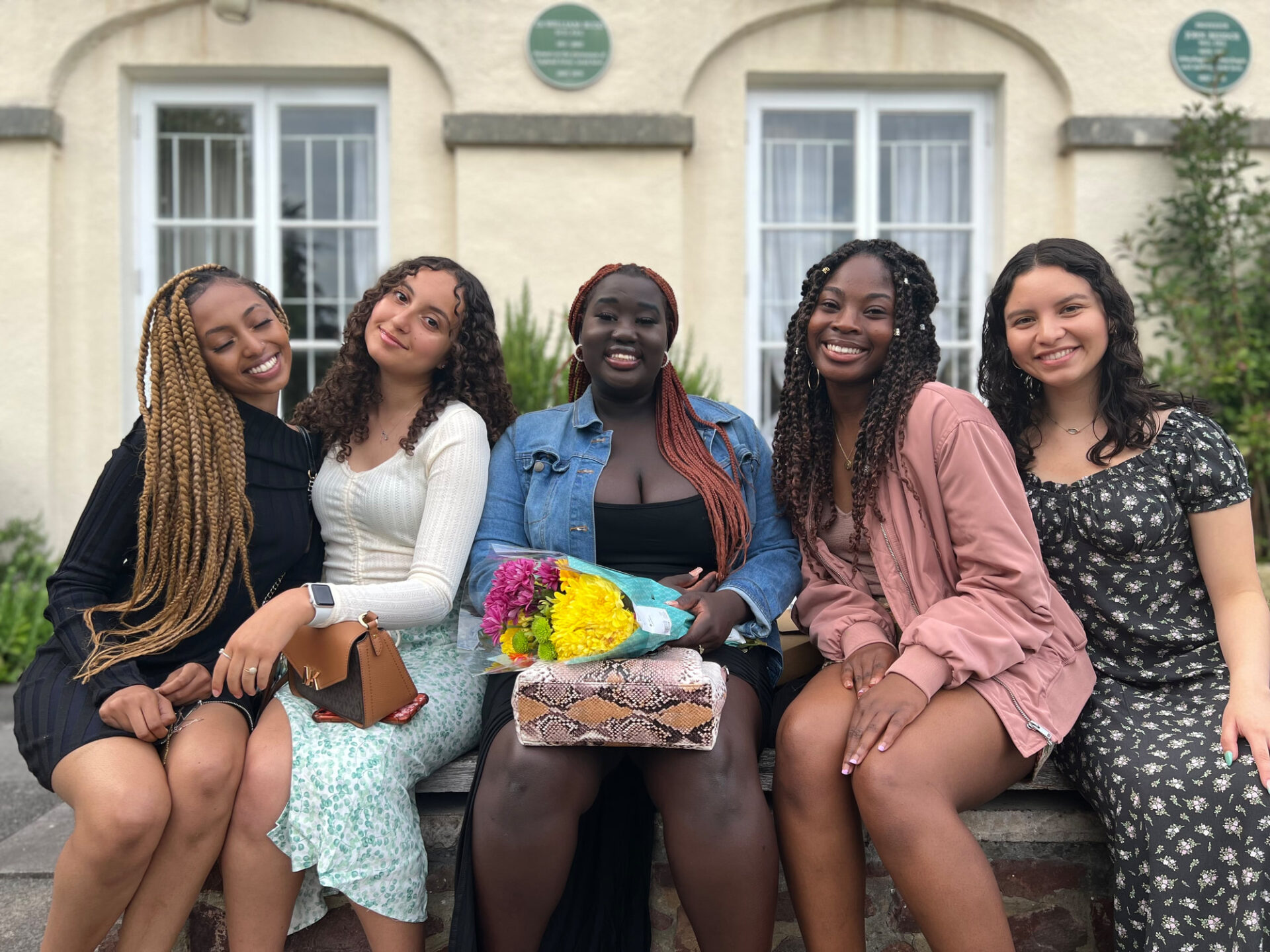
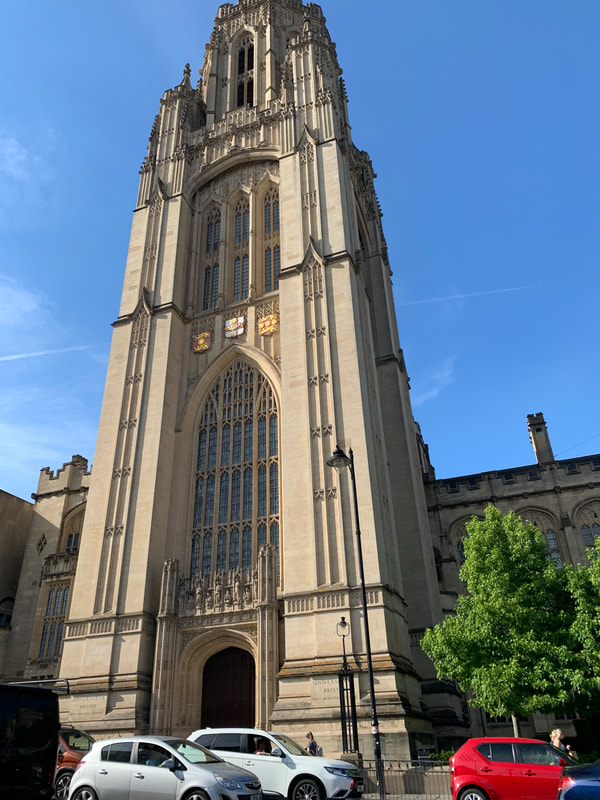
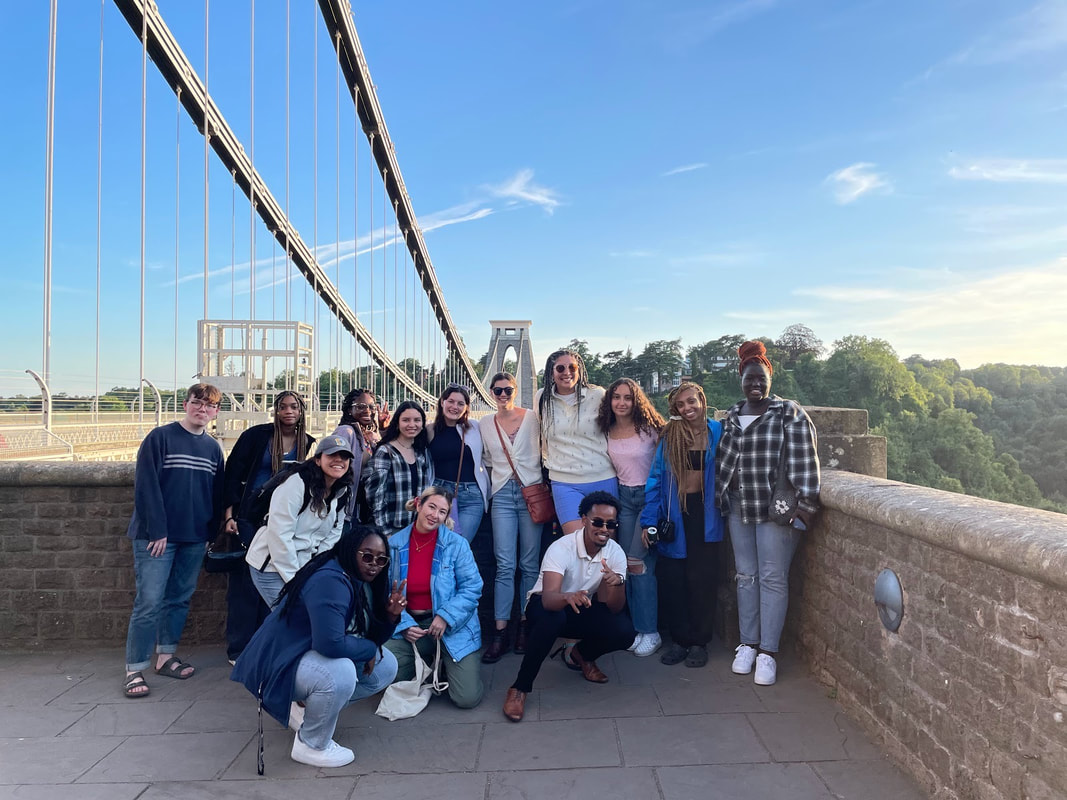
August, 2022 – This Summer, six Sachs Scholars traveled to England to join scholars from the Fulbright Commission and other international students from the UK and around the world to participate in the University of Bristol’s “Arts, activism and social justice summer school”. Ganete Alemseged, Gbemisola Akala, Kereine Ngoungui-Malemba, Nyankat Doldol, Sabrene Mechergui and Sophie Teitler were selected to participate in the three-week program to study themes such as racism, social justice, and colonialism across multiple continents.

Talking to the scholars, there were a few favorite aspects amongst everyone. The friendships that people made during the trip had a lasting impact. When asked about what aspects of the course were most valuable, Sophie stated, “I was reminded about the value of human connection and listening to one another in order to get to know someone well.” Another scholar, Ganete expanded on how close the students became over the course of two weeks. “By the end, it felt like a family. People were crying when they had to go their separate ways.” Another important takeaway for scholars was personal growth. Kereine talked about the personal growth she experienced while in Bristol.

“One thing I took away from an instructor that I hope to never forget is to not work for just money. Money will come and go, but I choose to live a life that will be fruitful and help others in the process. I don’t want to spend my life chasing money and lose what really matters, people, experiences, and fulfillment. I am working on being productive and not shying away from my gifts.”

While friendships are valuable, our scholars also expanded on their biggest lessons. From feeling more aware of entering spaces and the history that lies there to rethinking the definition of activism, students learned more about themselves and their abilities to help others. When asked about her key takeaways from her trip, Nyankat said, “…To be a voice because I’m blessed with one, and no matter what I do, make sure I walk in the light of the voiceless.” Ganete also offered insight and talked about her new definition of activism.

“There was a guy who came and talked about ourselves and activism. We have to be better for ourselves to help our community. I’m always putting others first but sometimes it’s too much on me. I’ve learned it’s important to let me cool down so I can be a better leader. It was a refresh at the perfect moment. I can now say ‘my body needs this if I want to go out a be a great activist.’”

Similar to Ganete, Sabrene talked about connecting her life to the program. “Through this course, I was able to find the connection between history, self-reflection, and social justice. You can only start making a difference in your community once you’re comfortable in your own skin.”

The scholars also were intrigued by seeing social activism in the UK and learning that concepts that are usually thought to be US based are indeed global. Kereine gave us insight on what she learned in her courses.

“We learned about social justice in the form of how society kept statues of slave owners, and how there is still strife over keeping those statues. It’s shocking because you would think that there wouldn’t be people with that type of mindset who are determined to fight for statues of racist slave owners. It showed me that every country has its own social activism to do.”

Gbemisola also deepened her understanding of history during take a the program. “Another key way was the importance of knowing the full story. History is very whitewashed. I have made it a personal goal to ensure my consumption of knowledge is accurate.”

While all six students valued different parts of the course, there was one question that had a common answer. When asked if they would recommend other Sachs Scholars to participate in this course, the answer was an overwhelming yes! In the words of Nyankat, “YES YES YES YES YES A THOUSAND TIMES YES.” And if one scholar wasn’t enough, Kereine says, “GO FOR IT. DO NOT HESITATE!!” (She also mentioned it being the best three weeks of your life.)

We are so proud of our scholars and the work they do to grow as leaders, students, and activists within their community. We hope that their experience encourages other people to step out of their comfort zone and look for similar opportunities in the future.

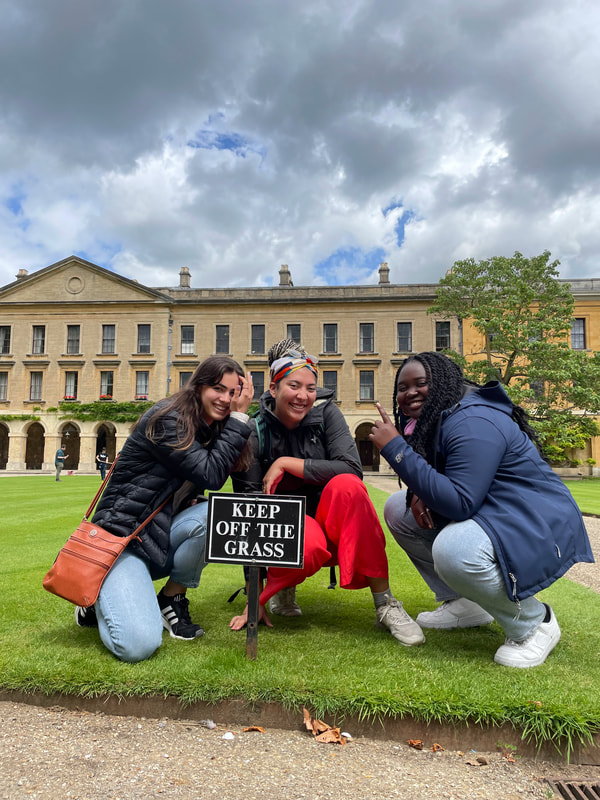
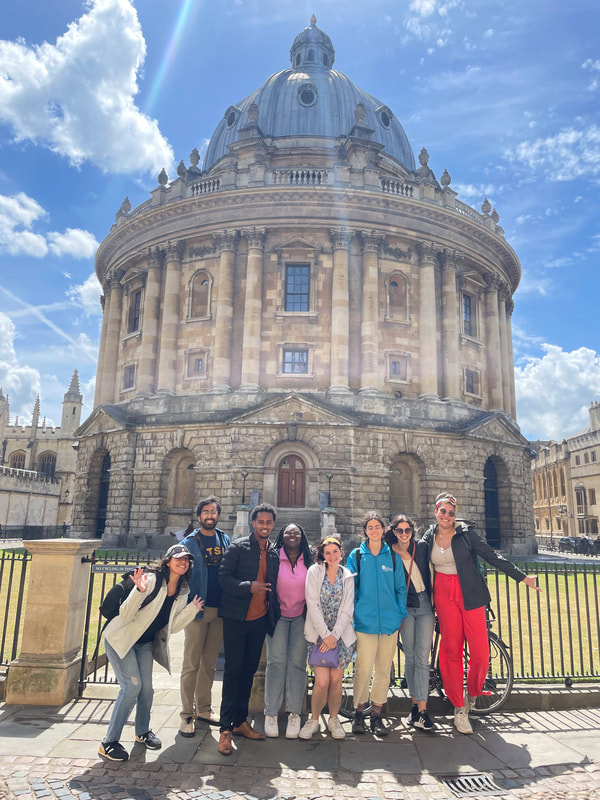
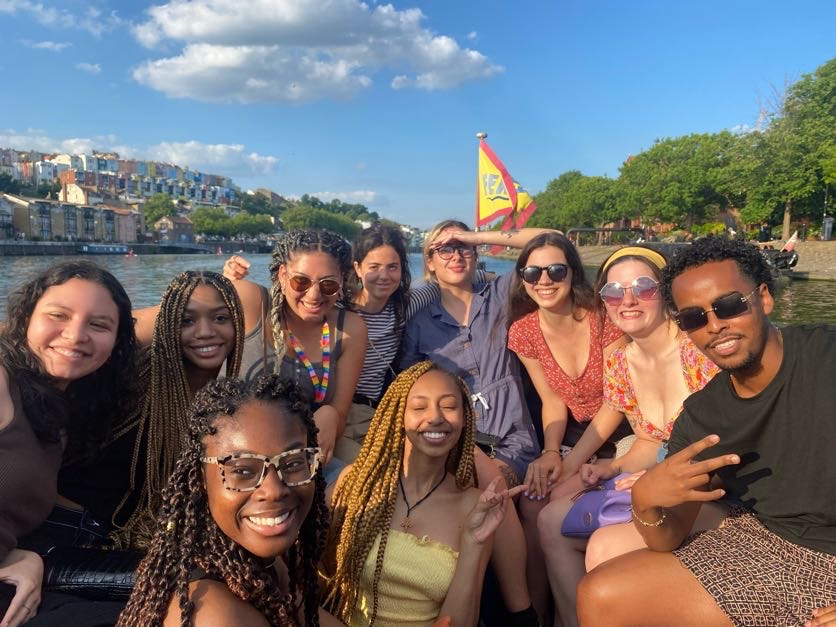
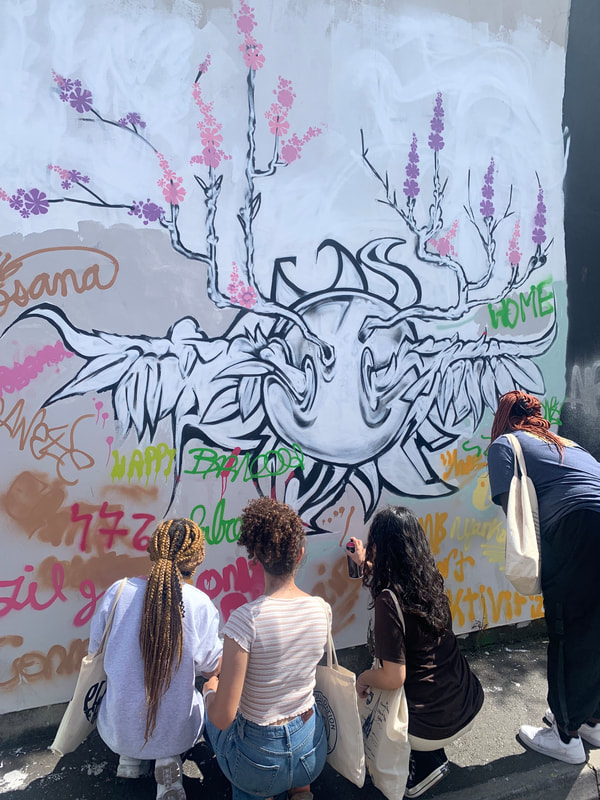
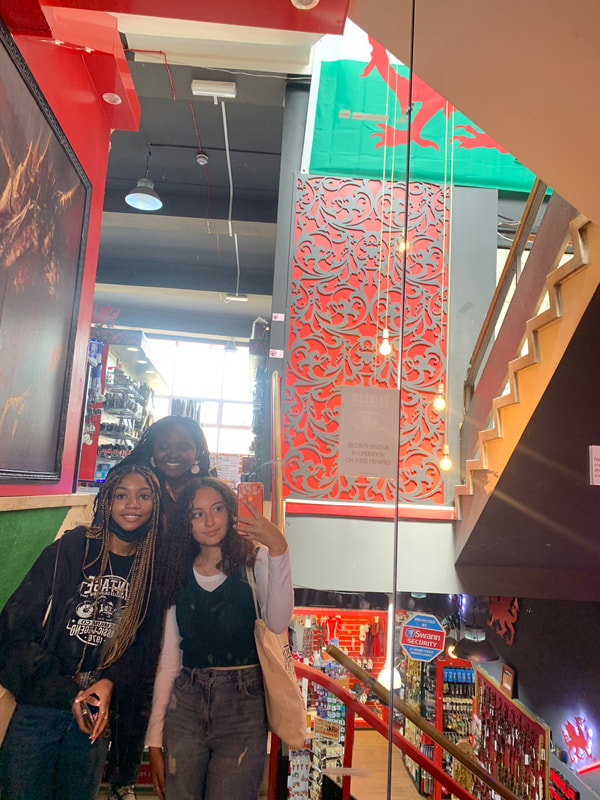
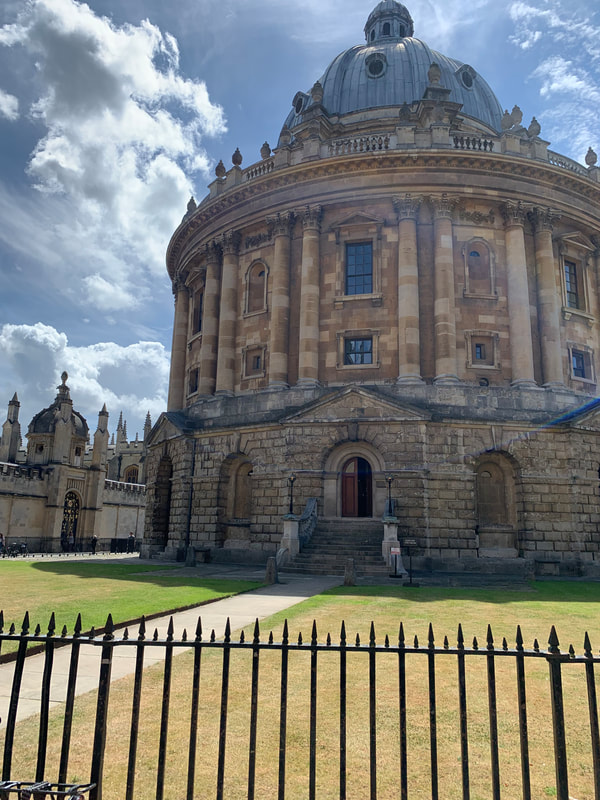
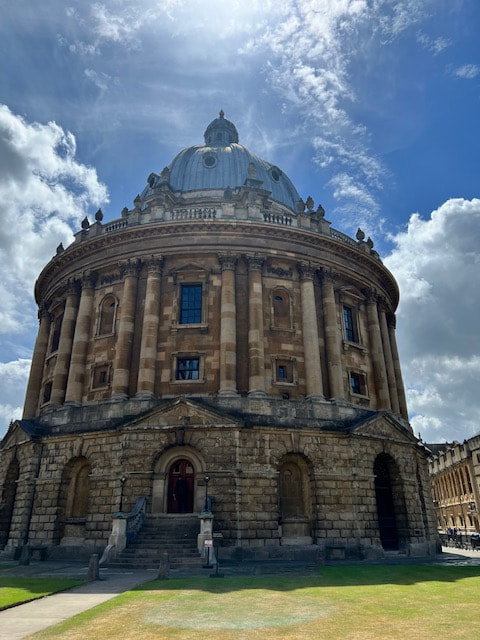
Pictures from the trip
New program aims to recruit more Black educators to Colorado 771 306 Sachs Foundation

New program aims to recruit more Black educators to Colorado

Data from the Colorado Department of Education showed only 1.6% of teachers in the state identify as Black.

By Cole Sullivan, 9News

COLORADO, USA — Teach for America has partnered with a Colorado Springs nonprofit to offer $10,000 in salary incentives to attract Black educators to Colorado. Currently, fewer than 2% of teachers in the state identify as Black, according to Colorado Department of Education (CDE) data.

The new effort, a partnership with the Sachs Foundation, will work to create community “cohorts” among new Black educators, who may be among the only teachers of color in their districts.

“We cannot have high-quality instruction without a diverse teaching workforce,” said Prateek Dutta, the executive director of Teach for America’s Colorado chapter. “Just having one Black teacher for a Black child decreases absenteeism, decreases suspension rates, drastically increases college attendance and persistence by as high as 40%.”

Help wanted – Colorado teachers of color 750 498 Sachs Foundation

Help wanted – Colorado teachers of color

By editorial board, Denver Gazette

In a perfect world, kids would be colorblind. Neither their own race nor their teacher’s would matter to their education.

Our hope is that society eventually will get to that point, but until it does, some of Colorado’s children of color may be looking for a role model at the head of the class. The premise of a new, potentially groundbreaking endeavor in Colorado Springs is that Black students in particular could benefit greatly if more teachers were Black, as well.

Sachs Foundation and Teach For America Team up to Deliver Funds and Support to Black Educators in Colorado, Addressing the Black Teacher Shortage 1024 683 Sachs Foundation

Sachs Foundation and Teach For America Team up to Deliver Funds and Support to Black Educators in Colorado, Addressing the Black Teacher Shortage

Partnership Delivers Financial Resources and Peer Networking Capabilities to Recruit More Black Educators to Teach in Colorado Schools, Improving the Number of Black Applicants by 150%.

COLORADO SPRINGS, Colo., June 16, 2022 /PRNewswire/ — The Sachs Foundation, an organization that has supported Black Coloradans since 1931, and Teach For America (TFA) Colorado, the state branch of a national organization that expands educational opportunity for children by recruiting and training educators, are partnering to offer Black college graduates in Colorado an opportunity to make an impact as an educator. The organizations intend to build a community of Black educators through cohort groups and supplement salaries to address the shortage of Black teachers in Colorado.

The number of Black educators in the U.S. has been in decline since schools were desegregated, but data confirms that representation matters to students. Johns Hopkins research shows that the presence of just one Black teacher in grades 3-5 increases low-income Black boys’ interest in college by 29% and lowers the high school drop-out rate by 39%. However, 150 of Colorado’s 178 school districts have no Black teachers at all. The Sachs Foundation launched its Teacher Development Program in 2020 to improve educator diversity in Colorado schools, a mission that matches TFA’s goal of increasing diversity in the teaching ranks to better reflect student populations.

Working together, the organizations are intentionally building a community of Black educators in Colorado. TFA Colorado is taking the lead on identifying, recruiting and training teachers since that is the organization’s area of expertise, and Sachs is providing financial support for Black teachers working in Colorado who are part of the program, drawing on its experience of providing scholarships for Black Coloradans. Both organizations emphasize the importance of a cohort (peer group) in program success. TFA Colorado says the partnership has already increased the number of Black educators who are able to teach through TFA by 150%.

One persistent recruiting obstacle is that Black students typically graduate with higher levels of debt than white peers and therefore have the incentive to enter more lucrative professions like business or engineering, even if they’re interested in teaching. The Sachs-TFA partnership addresses that challenge by augmenting teacher salaries. Another barrier is that potential teachers may be discouraged by the prospect of being the only Black educator at their school. The cohort aspect of the program addresses that by creating a community and providing peer support and networking opportunities.

“Teach For America is a well-known and widely respected national organization, so we’re thrilled to have the opportunity to work with the TFA Colorado team,” said Ben Ralston, President, Sachs Foundation. “It’s a natural fit because we share the same values, and our capabilities are complementary. The Sachs Foundation has funds we can use to meet this challenge, and TFA has the critical teacher recruiting and training expertise to make it work. We’re hoping to expand the program eventually.”

The Sachs Foundation has already committed $165,000 to the program this year, and has announced it will continue to support participating Black TFA Colorado educators as they continue in their careers over the next three years. Sachs expects its investments to reach over $350,000 annually during that time. Teach For America will continue to recruit teachers, including talented Black graduates for teaching positions in Colorado, a task that is made easier by the financial resources and cohort element of the program.

“We’ve been committed to building a pipeline of diverse teachers for Colorado from the beginning,” said Executive Director of TFA Colorado Dr. Prateek Dutta. “Black teachers have to overcome so many barriers, and this partnership is the perfect step in the right direction because now we have the resources to attract and retain Black educators by addressing the two major challenges they face: lack of funding and isolation. With Sachs Foundation, we can make a huge difference for Black teachers and students in Colorado schools.”

Learn more about the Sachs Foundation at SachsFoundation.org. Find out more about Teach For America’s work in Colorado at TeachForAmerica.org/colorado.

Sachs Foundation And Teach For America Team Up To Address Black Teacher Shortage 960 680 Sachs Foundation
Yasmine Wilson

Sachs Foundation And Teach For America Team Up To Address Black Teacher Shortage

By Marybeth Gasman, Contributor, Forbes.com

Research shows that the presence of just one African American teacher in grades 3-5 increases low-income, African American boys’ interest in college by 29% and lowers the high school drop-out rate by 39%. Unfortunately, the number of African American teachers in the U.S. has been in decline since public schools were legally desegregated in 1954. In Colorado, for example, 150 of the 178 school districts have no Black teachers.

To address this teacher shortage, the Sachs Foundation has partnered with Teach For America (TFA) Colorado, part of the larger TFA organization, which has worked with 350 urban and rural communities across the nation since 1990. Sachs and TFA are working to build a community of Black educators in Colorado with TFA recruiting and training teachers and Sachs providing financial support for African American teachers working in Colorado.

One obstacle to recruiting Black students into the teaching profession is that they typically graduate with higher debt than their white peers due to lack of access to wealth. As a result, they tend to move away from teaching as a career even if they desire to be a teacher. Instead, they look to business. law, or engineering for careers. In order to address that challenge, the Sachs-TFA partnership augments teacher salaries. Another barrier is that African American students are discouraged by the idea of being the only Black teacher at their school. Because the Sachs-TFA partnership operates using a cohort model, African American teachers are immediately part of a community of support that also fosters networking.